Stories of Peace, Humanity and Hope

Peace and Justice Tour The Hague

Discover why The Hague is known around the world as the International City of Peace and Justice.

Behind this remarkable identity lies a story of diplomacy, idealism, international cooperation and the ongoing search for a more peaceful world.

A peace and justice tour in The Hague invites you to explore how these ideals developed, the people who championed them and the institutions that carry their legacy forward today.

With Elswhere Tours, discover a side of the city that connects historic events to some of the most important questions of our time.

Peace heritage International cooperation Historical storytelling
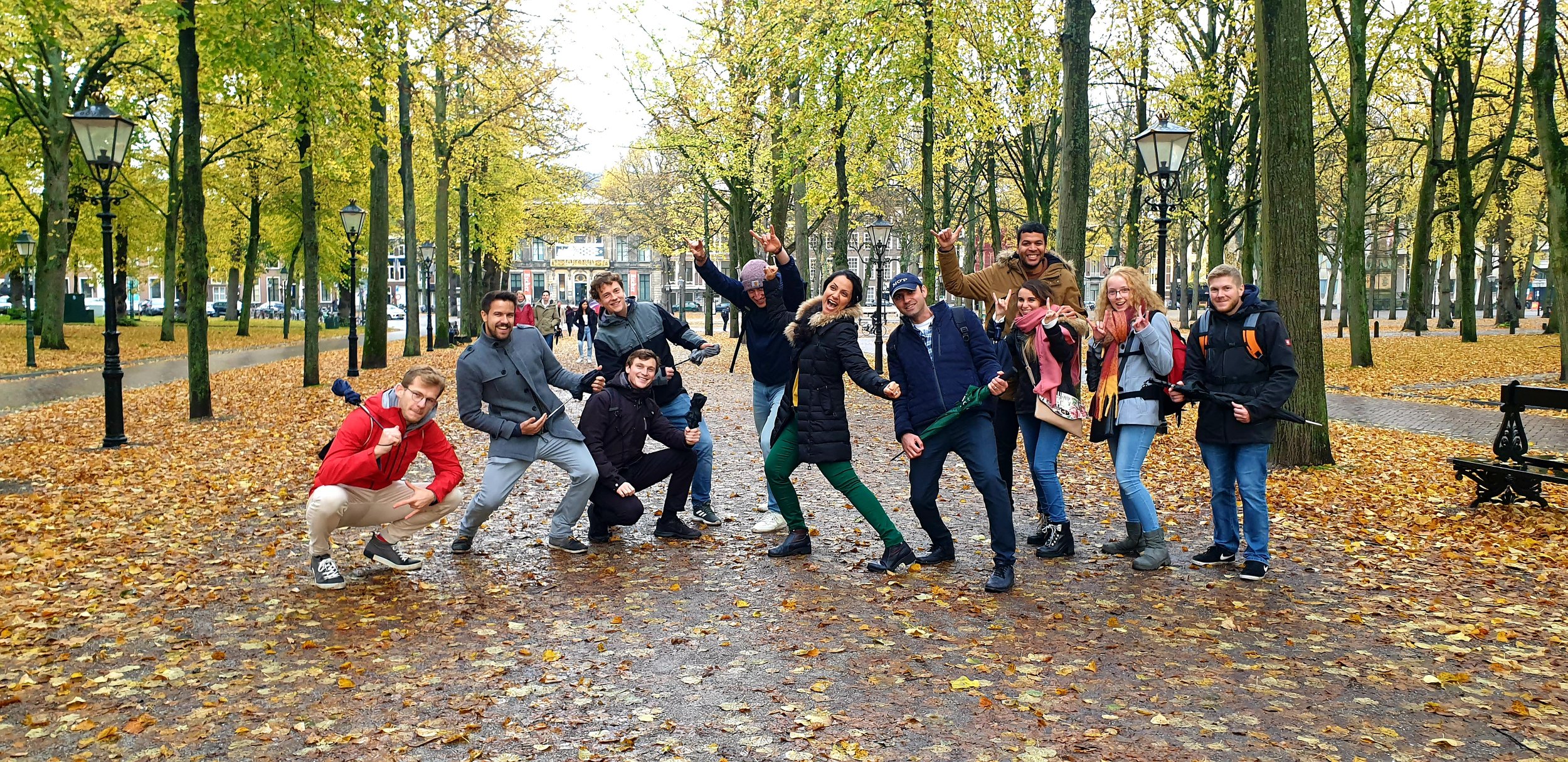
International group enjoying a guided tour through The Hague with Elswhere Tours
Historic city atmosphere from the Elswhere Tours photography collection
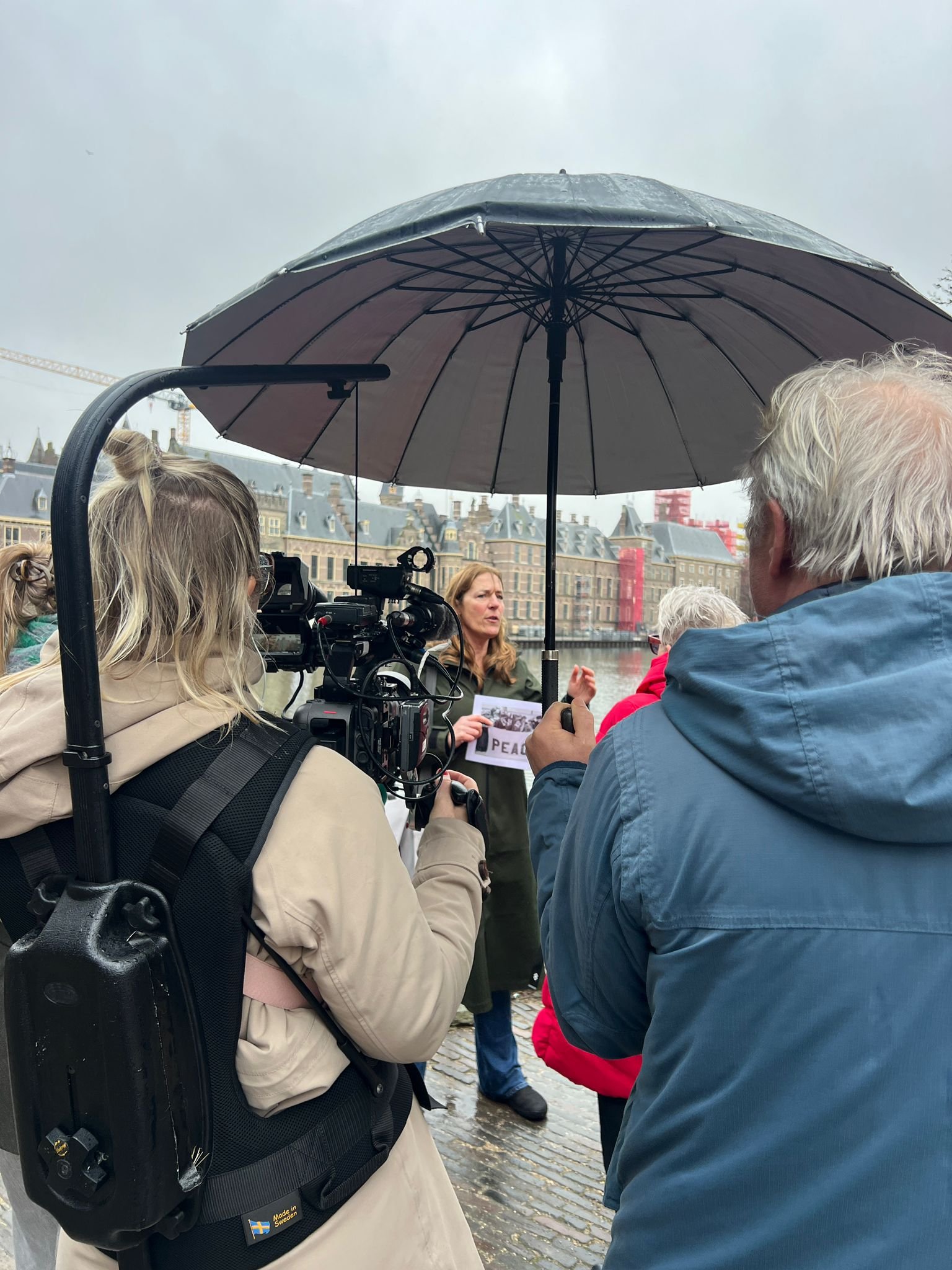
Elswhere Tours sharing stories about history and society
Guided experiences and historical storytelling with Elswhere Tours.
More Than a City Landmark

What Does It Mean to Be a City of Peace and Justice?

The Hague's identity is about much more than a collection of famous international institutions.

The city represents a long history of attempts to resolve disputes through dialogue, international agreements and legal principles instead of violence.

Those efforts have involved political leaders, diplomats, legal thinkers, peace advocates and organisations working across borders.

Their work raises questions that remain relevant today: How can countries prevent conflict? What does justice mean after violence? And how can international cooperation contribute to lasting peace?

A guided experience allows visitors to explore these questions through the history and heritage of The Hague.

The story of peace and justice is not only about institutions. It is about the people and ideas behind them.

Three Perspectives on the City

Explore Peace and Justice Beyond the Familiar Headlines

The Hague's international identity brings together different stories. Understanding their relationship offers a richer perspective on the city.

Perspective 01

The Search for Peace

Discover how governments and peace advocates attempted to develop international agreements that could reduce the risk of war and create alternatives to armed conflict.

The Hague Peace Conferences provide an important starting point for this story.

Perspective 02

The Pursuit of Justice

Explore the development of international law and the idea that countries and individuals can be held accountable through legal processes.

International courts form part of this wider historical development.

Perspective 03

The Power of Cooperation

Consider the role of dialogue, international organisations and civil society in building understanding between people and nations.

These efforts show how peace and justice involve much more than formal legal decisions.

The Origins of an International City

How The Hague Became a Symbol of Peace

The Hague's position as an international centre for peace and justice developed through several significant historical milestones.

The First Hague Peace Conference in 1899 played a particularly important role.

It brought representatives from different countries together to discuss disarmament, international law and peaceful dispute resolution.

The institutions and ideas that followed helped establish the city's lasting international reputation.

1899

First Hague Peace Conference

Representatives of 26 countries met to discuss international peace, disarmament and peaceful methods for settling disputes. The conference led to the establishment of the Permanent Court of Arbitration.

1907

Second Hague Peace Conference

A second international conference expanded discussions about the laws of war and methods of international dispute resolution.

1913

Opening of the Peace Palace

The Peace Palace opened as a home for institutions dedicated to international law. Its construction was made possible through the support of philanthropist Andrew Carnegie.

1946

The International Court of Justice

The International Court of Justice, the principal judicial organ of the United Nations, began its work in the Peace Palace.

2002

The International Criminal Court

The Rome Statute entered into force, establishing the International Criminal Court as a permanent institution for prosecuting certain serious international crimes within its jurisdiction.

Today

An International Community

The Hague remains home to courts, international organisations and civil-society initiatives engaged in justice, dialogue, security and cooperation.

The City's Most Famous Symbol

The Peace Palace: A Monument to an Ideal

Few buildings represent The Hague's international identity as clearly as the Peace Palace.

Opened in 1913, the building was conceived as a place where international legal disputes could be addressed through peaceful procedures.

It was built with financial support from Andrew Carnegie and received artistic and decorative contributions from countries around the world.

Today it houses the International Court of Justice, the Permanent Court of Arbitration and institutions connected to international legal education and research.

The Peace Palace is therefore not simply an architectural landmark. It is a physical expression of the belief that international disputes should be approached through law and dialogue.

Visiting the Peace Palace: Its Visitors Centre offers information about the history of the building. Entrance to the palace itself is subject to separate access rules and arrangements. A tour with Elswhere Tours does not automatically include interior admission.

Historic city photography from Elswhere Tours' collection
Photography from the Elswhere Tours collection.
History Meets Contemporary Questions

Four Questions That Make the Story Relevant Today

The history of peace and justice is not only about what happened in the past. It continues to shape conversations around the world.

Can International Agreements Prevent Conflict?

Discover why the first peace conferences placed so much hope in international cooperation and shared agreements, and why the pursuit of peaceful solutions remains complex.

What Happens When Peace Breaks Down?

Explore the relationship between international law, accountability and the search for justice after serious violations or armed conflict.

Who Works for Peace Beyond Governments?

Consider the contribution of campaigners, researchers, educators, international organisations and civil society to dialogue and peacebuilding.

Why Do These Issues Matter to Everyone?

Peace and justice affect human rights, security, communities and the ways people live together. The Hague offers a meaningful place to reflect on those connections.

Elswhere Tours during an educational experience exploring history and society
The Hague Beyond Its Monuments

A Living International City of Peace and Justice

The Hague's international character did not end with the opening of the Peace Palace.

Today the city hosts a wide range of institutions and organisations concerned with international law, humanitarian issues and cooperation across national borders.

These organisations work in different fields, but together they contribute to The Hague's international identity.

A peace and justice experience can connect this contemporary landscape with the historical initiatives that first brought international attention to the city.

International Law

Institutions focused on legal rules, dispute resolution and accountability.

Peacebuilding and Dialogue

Initiatives encouraging communication, understanding and peaceful cooperation.

Education and Research

Academic and professional communities studying international issues and possible solutions.

Human Rights and Civil Society

Organisations and advocates working on questions of rights, justice and human dignity.

For Curious and Engaged Visitors

Who Is a Peace and Justice Tour in The Hague For?

This theme speaks to different groups of visitors. You do not need a legal background to appreciate the ideas and history behind the city's international role.

Students and Educators

Connect history, citizenship, human rights and international relations to real places and significant historical events.

Educational groups can discuss relevant learning objectives before arranging a tour.

International Organisations

Offer visiting colleagues or professional guests a contextual introduction to The Hague's role in peace, justice and international cooperation.

Specialist interests can be discussed in advance.

Curious Travellers

Explore one of The Hague's most distinctive identities through historical stories and thoughtful discussion.

Ideal for visitors who want to understand what makes the city internationally significant.

Experience the Story with Elswhere Tours

Thoughtful Guiding, Meaningful Conversations

Subjects such as peace and justice can feel abstract when they are discussed only in books or classrooms.

An experienced storyteller helps connect historical developments to the people, buildings and events that shaped them.

Elswhere Tours brings an international perspective to local history, combining accessible storytelling with an interest in social and cultural themes.

The purpose is not simply to list institutions or important dates, but to help visitors understand their wider significance.

A privately arranged programme can be discussed for different audiences, depending on the depth and type of content required.

International group learning about The Hague with Elswhere Tours
Planning Your Visit

Arranging a Peace and Justice Tour

The best format depends on what your group would like to learn and how much time you have.

Some visitors want a general introduction to The Hague's international history.

Others may prefer to focus on peace movements, international cooperation or the relationship between peace and justice.

Elswhere Tours can discuss the possibilities for a suitable guided programme, including the practical requirements and available guiding options.

Theme and Learning Goals

Tell us whether you are interested in peace conferences, historical movements, justice institutions or the city's wider international identity.

Preferred Date and Duration

Share your preferred date and available time. The final format depends on the programme, guide availability and practical feasibility.

Number of Participants

The tour can be discussed for private visitors, students, international guests and organised groups. The suitable arrangement depends on the group size.

Language Preferences

Elswhere Tours works with different language options. Please specify your preferred language when enquiring.

Access to Institutions

The proposed programme may discuss institutions and their historical surroundings, but entry to buildings or official visitor activities requires separate confirmation.

Pricing

A quotation depends on group size, duration, preparation, guiding arrangements and any additional services.

More Ways to Explore the City

Peace, International Courts or Dutch Politics?

These subjects are closely connected, but each offers a different perspective on The Hague.

A peace and justice tour focuses on the broader ideas, history and human stories behind international cooperation.

If your interests are more specific, another themed experience may be a better starting point.

International Court Tour The Hague

Explore the specific roles of the International Court of Justice, International Criminal Court and other legal institutions.

Discover the International Court Tour

Political Tour The Hague

Learn about Dutch parliamentary democracy, constitutional history and the political institutions of The Hague.

Explore Dutch Political History

Diplomacy Tour The Hague

Explore the city's diplomatic traditions, international relations and history of negotiation between states.

Explore Diplomacy in The Hague

Frequently Asked Questions

Peace and Justice Tour The Hague – FAQ

Why is The Hague called the City of Peace and Justice?

The Hague gained its international reputation through important peace conferences, the development of international legal institutions and its continuing role as a centre for international cooperation. The First Hague Peace Conference in 1899 was a major milestone.

What is a peace and justice tour in The Hague?

A peace and justice tour explores the historical ideas, people and institutions connected to The Hague's international identity. The emphasis is on the development of peace initiatives, justice and cooperation rather than on conventional sightseeing.

Does the tour include the Peace Palace?

The Peace Palace is a key subject in the history of international peace and justice. Whether its surroundings can be included in a particular route depends on the programme and practical circumstances. Interior entry is not automatically included.

Can visitors enter the Peace Palace?

The Peace Palace has an official Visitors Centre, and some guided visits may be offered separately. Access to the building itself is subject to its official rules and availability. Check official visitor information before planning an indoor visit.

Is this tour the same as an international court tour?

No. An international court tour focuses on judicial institutions and their legal functions. A peace and justice tour explores the wider historical, social and international efforts behind the pursuit of peace and justice.

Is a peace and justice tour suitable for students?

Yes. This theme offers opportunities to explore history, citizenship, human rights and international relations. Educational groups can discuss their particular learning objectives when enquiring.

Can international organisations arrange a private tour?

Elswhere Tours has experience with international guests and organisations. A privately arranged experience can be discussed according to the group's background, interests and available time.

How long does a peace and justice tour take?

The duration depends on the selected programme, the subjects covered and the available time. Route and timing are discussed before booking.

What does a private peace and justice tour cost?

The cost depends on the group, tour duration, guiding arrangements, preparation and any additional requirements. Elswhere Tours can provide a quotation for the proposed programme.

How can I enquire about a peace and justice tour?

Contact Elswhere Tours and share your preferred date, group size, language and main interests. The possibilities for an appropriate guided experience can then be discussed.

Let's Go Elswhere

Discover the Stories Behind Peace and Justice

Walk through a city whose history helped shape the international pursuit of peaceful cooperation.

Discover how historical ideals, international institutions and human stories come together in The Hague.

Whether you are a curious visitor, student or organising a professional group experience, Elswhere Tours can discuss a meaningful programme around peace and justice.