The Hague and International Justice

International Court Tour The Hague

Why do international courts operate in The Hague? What is the difference between the International Court of Justice and the International Criminal Court? And how does international law work beyond national borders?

Discover the institutions, legal principles and remarkable history that have made The Hague an important centre of international justice.

With Elswhere Tours, explore the stories behind international courts and gain a clearer understanding of their role in the world.

An international court tour in The Hague can provide an engaging experience for students, legal professionals, international visitors and anyone curious about global justice.

International law ICJ and ICC Educational experiences
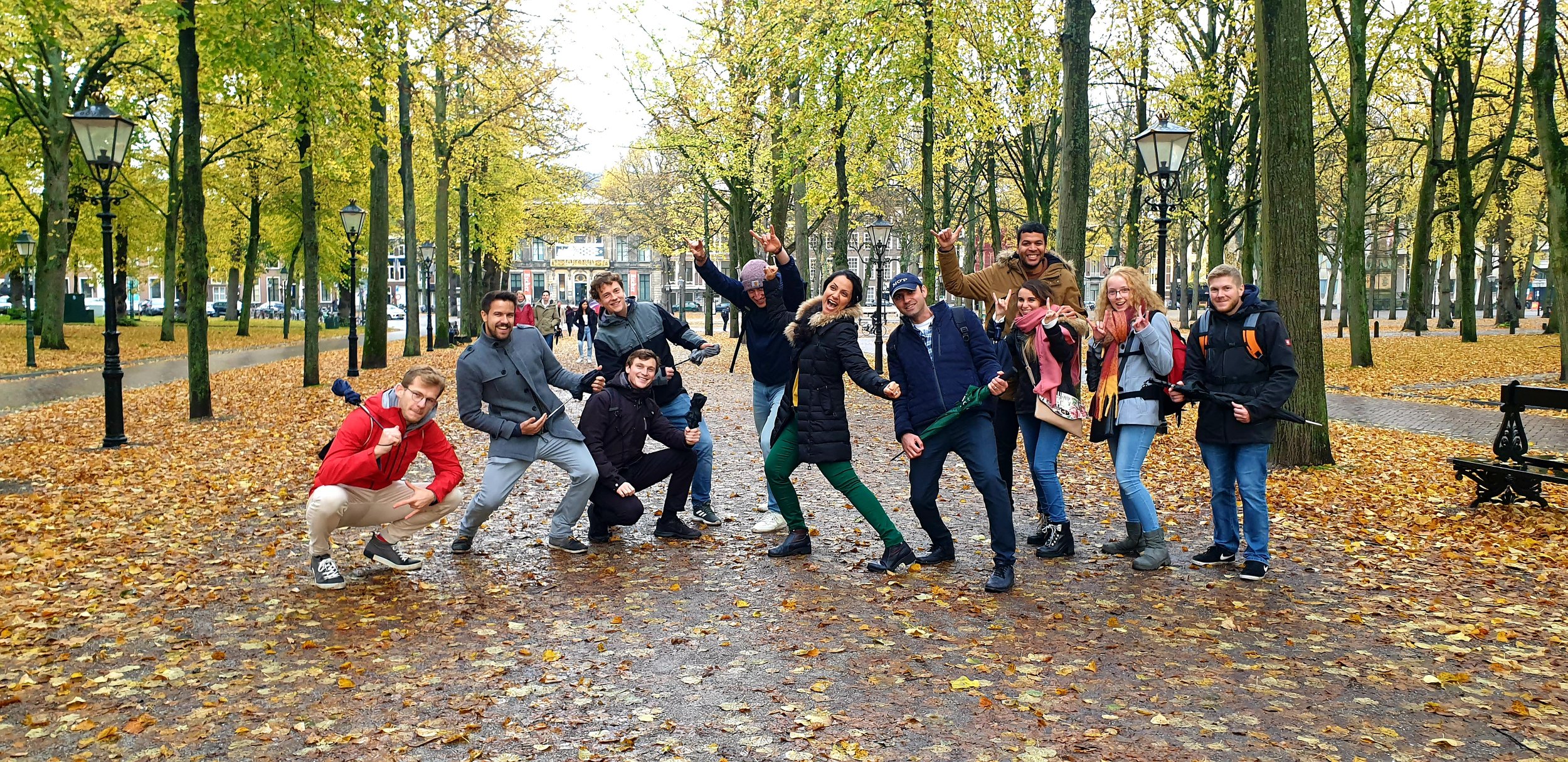
International visitors enjoying an educational guided experience in The Hague
International Court of Justice

The principal judicial organ of the United Nations, based in the Peace Palace.

International Criminal Court

A permanent international court that prosecutes individuals for certain grave crimes.

Permanent Court of Arbitration

An institution offering dispute-resolution services for international parties.

The World's Legal Capital

Why Are So Many International Courts Located in The Hague?

The Hague is internationally recognised as an important centre for international law and dispute resolution.

The city's connection with international justice developed over more than a century, beginning with important diplomatic efforts to establish peaceful ways of resolving conflicts.

The Hague Peace Conferences of 1899 and 1907 were significant milestones in the development of modern international law.

The Permanent Court of Arbitration was established in 1899, while the Peace Palace, opened in 1913, became an enduring symbol of international legal cooperation.

Today, The Hague is home to several institutions involved in international justice, including the International Court of Justice and the International Criminal Court.

Although these institutions are connected by their international importance, they perform different legal functions.

What makes this tour different? The focus is on understanding international courts and the law they apply, rather than offering a general sightseeing tour of The Hague.

Understanding the Institutions

Three Major Institutions Connected to International Law

The Hague is home to different courts and dispute-resolution institutions. Understanding their separate responsibilities is essential to understanding international justice.

ICJ

International Court of Justice

The International Court of Justice is the principal judicial organ of the United Nations.

It considers legal disputes between states that fall within its jurisdiction and provides advisory opinions on legal questions referred by authorised United Nations bodies and agencies.

The ICJ has its seat in the Peace Palace, making this historic building especially important to its identity.

Focus: Disputes between states and advisory opinions.
ICC

International Criminal Court

The International Criminal Court is an independent permanent court established under the Rome Statute.

It investigates and, where warranted, prosecutes individuals accused of genocide, crimes against humanity, war crimes and the crime of aggression, within its jurisdiction.

Unlike the ICJ, the ICC deals with individual criminal responsibility rather than legal disputes between states.

Focus: Individual responsibility for serious international crimes.
PCA

Permanent Court of Arbitration

The Permanent Court of Arbitration is an intergovernmental organisation established in 1899.

Despite its name, it is not a conventional permanent court with a fixed panel of judges.

Instead, it provides administrative support and dispute-resolution services for international arbitration and other proceedings involving states and other parties.

Focus: Arbitration and other international dispute resolution.
International Law Explained

ICJ vs ICC vs PCA: What's the Difference?

The names of international courts can easily be confused. However, the institutions differ substantially in what they do and who can appear in their proceedings.

Institution Main Function Who Is Involved? Location
International Court of Justice Decides disputes between states when it has jurisdiction and gives advisory opinions. States in contentious cases; authorised UN bodies and agencies may request opinions. Peace Palace, The Hague.
International Criminal Court Investigates and prosecutes certain grave international crimes within its jurisdiction. Individuals accused of crimes under the Rome Statute. ICC headquarters, The Hague.
Permanent Court of Arbitration Facilitates arbitration and other international dispute-resolution proceedings. States, international organisations and other eligible parties, depending on the proceeding. Peace Palace, The Hague.
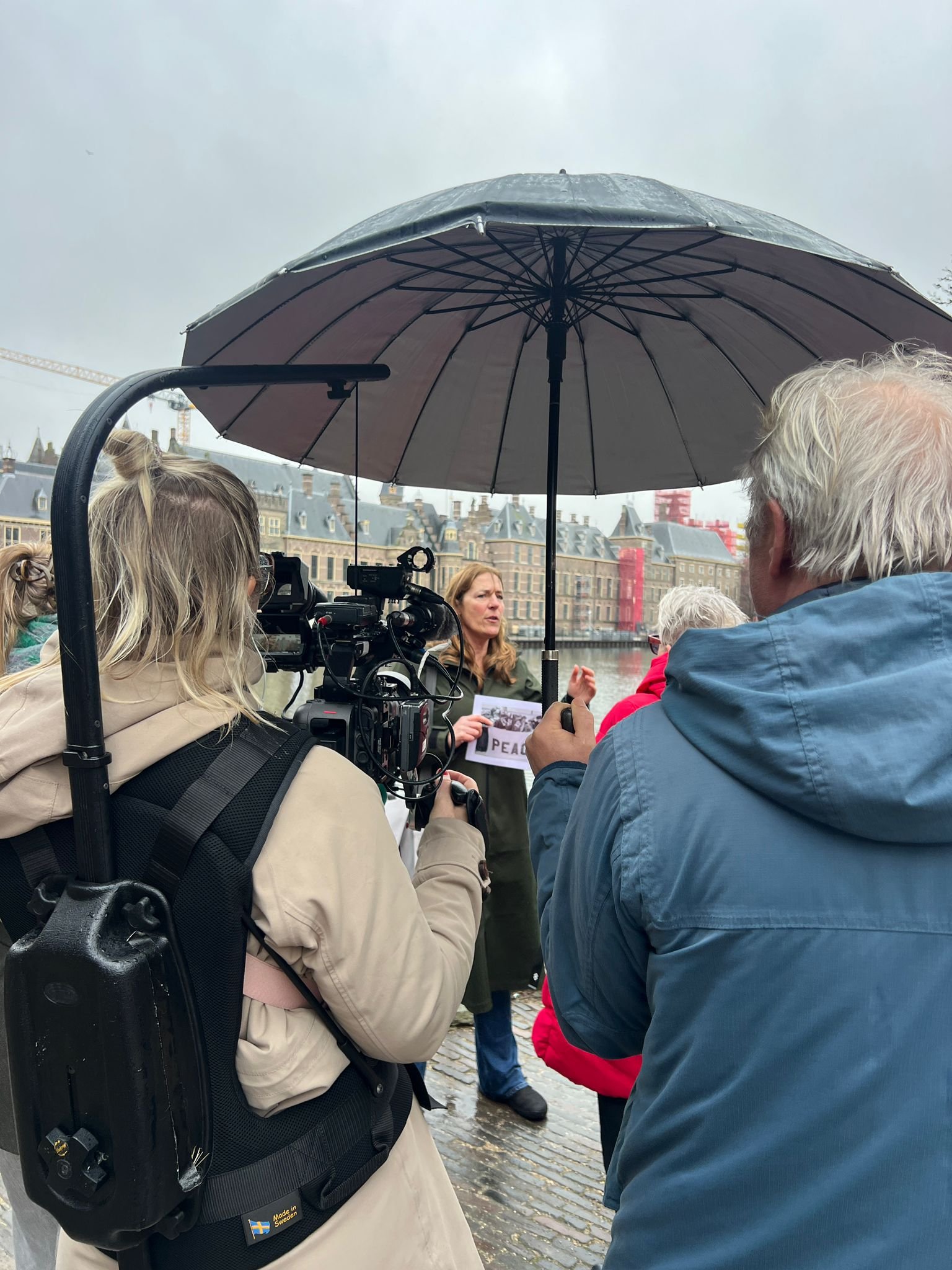
Elswhere Tours presenting specialist international and historical subjects during a tour
A Symbol of International Law

The Peace Palace and the International Court of Justice

Opened in 1913, the Peace Palace is one of the most recognisable symbols of international law.

The building was created during an era when international efforts to prevent war and resolve disputes through legal institutions were gaining momentum.

It now houses the International Court of Justice and the Permanent Court of Arbitration, alongside other institutions connected to international law.

Its history provides valuable context for understanding why The Hague became an important destination for legal professionals, students and international visitors.

During a themed guided experience, the Peace Palace can serve as a significant historical reference when exploring the international legal system.

Visitor information: The Peace Palace has its own Visitors Centre and separately organised guided visits. Entry into the palace or gardens is not automatically included in an Elswhere Tours experience.

Understanding International Criminal Law

How Does the International Criminal Court Work?

The International Criminal Court was established through the Rome Statute, which was adopted in 1998 and entered into force in 2002.

Its work is focused on individual criminal responsibility for some of the gravest crimes under international law.

Unlike domestic criminal courts, the ICC has a specific international jurisdiction and generally acts as a court of last resort when national proceedings are not genuinely undertaken.

Understanding this distinction helps explain both the possibilities and limitations of international criminal justice.

Genocide

Acts committed with the intent to destroy, in whole or in part, a protected national, ethnic, racial or religious group.

Crimes Against Humanity

Certain acts committed as part of a widespread or systematic attack directed against a civilian population, with knowledge of the attack.

War Crimes

Serious violations of international humanitarian law committed in the context of armed conflict.

Crime of Aggression

A specific international crime involving the planning, preparation, initiation or execution of an act of aggression under the conditions set out in the Rome Statute.

Learning Through Place

Who Would Enjoy an International Court Tour?

International law is relevant to many different fields. A guided experience can connect theoretical knowledge to the institutions based in The Hague.

Law Students and Universities

Explore the relationship between legal principles, judicial institutions and international dispute resolution.

A themed tour can complement academic study by introducing the historical and geographical context of these organisations.

Legal Professionals and Organisations

A specialised programme can be relevant for professional visitors interested in international criminal law, arbitration and public international law.

The desired depth of the subject can be discussed before planning a tour.

Curious International Visitors

You do not need a legal background to find the story of international courts fascinating.

An accessible introduction can help explain why the institutions were created and how their roles differ.

Practical Visitor Information

Can You Visit the International Courts in The Hague?

Several international legal institutions in The Hague offer visitor information or specific access opportunities.

However, arrangements differ considerably between institutions.

A guided city tour and an official visit inside a functioning international court are not the same thing.

Elswhere Tours can discuss a thematic programme about international justice, while access to individual institutions remains subject to their official visitor rules.

Peace Palace Visitors Centre

The Peace Palace has a dedicated Visitors Centre where visitors can learn about its history and the institutions it houses. Tours inside the palace or its gardens require separate arrangements and are subject to availability.

Official Peace Palace Visitor Information

International Criminal Court

The ICC provides visitor information, a Visitors Centre and opportunities to attend public hearings or organised information visits, subject to the court's rules, schedules and capacity.

Official ICC Visitor Information

International Court of Justice

Public hearings and certain presentations may be accessible under specific conditions. Entry for a hearing does not include a general tour of the Peace Palace. Always consult official information.

Official ICJ Website
The Stories Behind the Institutions

More Than Courtrooms and Legal Terminology

International courts are not simply collections of judges, lawyers and legal documents.

They reflect decades of debate about sovereignty, international responsibility and the rule of law.

The development of international judicial institutions raises questions that remain relevant today.

Who has the authority to decide disputes between states? How can international criminal responsibility be established? And what happens when countries disagree about the application of international law?

An educational court-themed tour can introduce these topics through historical developments and the institutions associated with The Hague.

Elswhere Tours focuses on engaging stories and accessible explanations so visitors can better understand the wider significance of the city.

International history-themed private experience arranged by Elswhere Tours
Planning Your Experience

How to Arrange an International Court Tour

The content and practical arrangements can be discussed based on your interests and the type of group participating.

01

Share Your Background

Let us know whether your group consists of students, legal professionals, an organisation or private visitors.

02

Choose Your Legal Focus

Indicate whether your main interest lies in the ICJ, ICC, international arbitration or a broader introduction.

03

Discuss Practical Details

Share your preferred date, group size, available time and any accessibility or language requirements.

04

Agree on the Programme

Elswhere Tours can assess the possibilities, discuss a suitable tour and provide a quotation for confirmation.

Explore Related Themes

Interested in Politics, Peace or Diplomacy?

The Hague's international identity connects several fascinating subjects, each offering a different perspective on the city.

International courts focus on legal processes and the interpretation or application of law.

Political history, peacebuilding and diplomacy are related but distinct topics.

Political Tour The Hague

Learn about Dutch democracy, parliament and the history of national political institutions.

Explore the Political Tour

Peace and Justice Tour

Discover the wider story of international cooperation, peace initiatives and justice in The Hague.

Explore Peace and Justice

Diplomacy Tour The Hague

Explore the city's diplomatic history, international relations and the work of embassies and international organisations.

Explore Diplomacy in The Hague

Frequently Asked Questions

International Court Tour The Hague – FAQ

What is an international court tour in The Hague?

An international court-themed tour explores the institutions and historical developments associated with international law in The Hague. Depending on the programme, it may explain the roles of the ICJ, ICC and other legal institutions.

What is the difference between the ICJ and ICC?

The International Court of Justice primarily resolves legal disputes between states and provides advisory opinions. The International Criminal Court investigates and prosecutes individuals accused of specified serious international crimes, subject to its jurisdiction.

Is the International Court of Justice inside the Peace Palace?

Yes. The International Court of Justice has its seat in the Peace Palace in The Hague. However, entry to the building is subject to official visitor arrangements and is not automatically part of a guided city tour.

Can you visit the International Criminal Court?

The ICC has an official visitor programme, including a Visitors Centre and opportunities to observe public proceedings under specified conditions. Availability and rules are determined by the court. Visit the ICC visitor website for details.

Does an Elswhere Tours experience include access to courtrooms?

No courtroom access is automatically included. Official hearings, institutional visits and security-controlled areas have separate rules and arrangements. Any requested visit must be checked and confirmed independently.

Is this tour suitable for law students?

Yes. A tour focused on international legal institutions can be valuable for students of law, international relations and political science. Share your learning objectives when enquiring about a suitable programme.

Can a court tour focus on a specific institution?

You can request a programme focusing on a particular institution, such as the ICJ or ICC. The level of detail, guiding arrangements and any relevant locations can be discussed in advance.

How long does an international court tour take?

Duration depends on the chosen route, the topics covered and the group's available time. Visits involving separate institutions require additional scheduling and may not always be feasible.

What does an international court tour cost?

Prices depend on group size, programme duration, guide availability, preparation and any additional arrangements. Elswhere Tours can provide a quotation based on your requirements.

How can I arrange an international court tour in The Hague?

Contact Elswhere Tours with your preferred date, number of participants, language requirements and particular areas of legal interest. A suitable programme can then be discussed.

Explore International Law in The Hague

Discover the Institutions Behind Global Justice

The Hague offers a fascinating opportunity to explore the development and practice of international law.

Whether you are organising an educational group visit, a professional programme or a private experience focused on international courts, Elswhere Tours can discuss the possibilities.

Discover the stories behind the ICJ, ICC and other international institutions with knowledgeable local guidance.